

Understanding Bunions — Clear, Trusted Information

Learn about causes, symptoms, treatments, and prevention — all in one place.

What Exactly Is a Bunion?

A bunion (hallux valgus) is a bony bump that forms on the joint at the base of your big toe. It develops when the bones in the front of your foot shift out of place, forcing the joint to stick out.

Bunions can cause pain, swelling, redness, and difficulty walking — but with the right information, they are very manageable. This site gives you everything you need to understand and take control of your foot health.

Key Facts About Bunions

Very Common

Bunions affect over 23% of adults aged 18–65 and up to 35% of people over 65 worldwide.

Often Preventable

Wearing properly fitting footwear and avoiding narrow-toed or high-heeled shoes significantly reduces your risk.

Highly Treatable

Most bunion cases can be effectively managed without surgery using orthotics, exercises, and proper footwear.

Explore All Topics

Everything you need to know about bunions, organized clearly for you.

What Are Bunions?

Learn about causes, anatomy, risk factors, and how bunions develop over time.
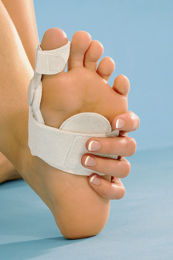
Symptoms & Diagnosis

Recognize the signs of a bunion and understand how doctors confirm a diagnosis.

Treatment Options

From home remedies and orthotics to surgical procedures — explore all your options.

Prevention Tips

Simple lifestyle changes and exercises that can slow progression and reduce pain.

RELIEF STRATEGIES

Managing Bunion Pain Day-to-Day

Proper Footwear

Wide-toed shoes with firm arch support prevent overpronation and reduce daily strain on the toe joint.

Custom Orthotics

Medical-grade inserts correct mechanical collapse of the arch and redistribute pressure away from the bunion.

Ice & Heat Therapy

Alternating cold packs to reduce inflammation and warm soaks to relax tendons, especially after walking.

Toe Exercises

Targeted stretches and strengthening exercises slow progression and improve flexibility around the joint.

When Should You See a Doctor?

If you experience persistent foot pain, a visible bony bump, redness, or difficulty finding comfortable shoes — it’s time to consult a podiatrist. Early action prevents bunions from worsening.

Frequently Asked Questions

Yes — bunions have a strong genetic component. If your parents or grandparents had bunions, you have a higher chance of developing them. However, footwear choices and foot mechanics also play a significant role.
No, bunions do not resolve on their own. Without treatment or lifestyle changes, they tend to worsen over time. However, pain and progression can be significantly managed with proper care.
Yes. Juvenile bunions (also called adolescent bunions) can occur in children and teenagers, often due to hereditary factors. They should be evaluated by a podiatrist early to prevent worsening during growth.
No — surgery is typically a last resort. The majority of bunion sufferers find adequate relief through non-surgical treatments such as orthotics, better footwear, padding, and physical therapy. Surgery is considered only when pain is severe and persistent.
Look for shoes with a wide toe box, low heels (under 1 inch), firm arch support, and soft upper material. Avoid narrow, pointed-toe shoes and high heels, which worsen bunion pain and progression.

bunions.in

Empowering Indians with clear, reliable information about bunions and foot health. Always consult a qualified healthcare professional for personal medical advice.

Contact

hello@bunions.in

⚠️ This site is for informational purposes only and does not constitute medical advice.

© 2026 bunions.in. All rights reserved.